What Is Assistive Technology? A Plain‑Language Guide

If you are looking for ways to make everyday tasks easier, safer, or more comfortable, you have likely come across the term assistive technology (AT). While it might sound technical, AT is simply about providing practical solutions that help you live the life you want with dignity and independence.
Assistive technology is for anyone who wants to stay safe, independent and comfortable in their daily life, including people with disability, older adults, carers, and families.
What Assistive Technology Means in Australia
In simple terms, assistive technology refers to any equipment, device, software, or system that helps a person do things more safely, independently, or comfortably in their everyday life. The World Health Organization (WHO) describes it as a subset of health technology designed to maintain or improve an individual’s functioning and well-being.
In Australia, AT is a vital support for people living with disability and older adults. It is not just about a specific tool; it includes the social and built environments that support your ability to engage in meaningful activities at home, at work, and in your community.
Types of Assistive Technology (With Everyday Examples)
Assistive technology can be low‑cost (under $1,500) or high‑cost (over $1,500). Low‑cost AT can often be purchased directly, while high‑cost AT usually requires an assessment and supporting evidence for NDIS or My Aged Care funding.
Assistive technology includes a vast range of disability technology and aged care supports, ranging from simple "low-tech" gadgets to advanced electronic systems. Common examples of assistive technology include:
Aids for daily living:
Modified eating utensils, dressing aids (like button hooks), adapted hygiene tools, and page turners.
Sensory aids:
Magnifiers, hearing aids, Braille devices, and visual alert systems for those with vision or hearing loss.
Mobility aids:
Walking frames, canes, manual or powered wheelchairs, mobility scooters, and vehicle modifications.
Communication & AAC:
Augmentative and Alternative Communication (AAC) tools such as speech-generating devices, voice amplifiers, and symbol-based communication boards.
Smart home & environmental controls:
Systems that let you control lights, appliances, and doors using voice commands, switches, or eye-gaze technology.
Computer access:
Specialised software like voice-to-text, alternative keyboards, and touch screens.
Recreational aids:
Adaptive gaming controls, modified fishing rods, and accessible sports seating.
Prosthetics and orthotics:
Artificial limbs, splints, and braces that replace or enhance body functions.
Home modifications:
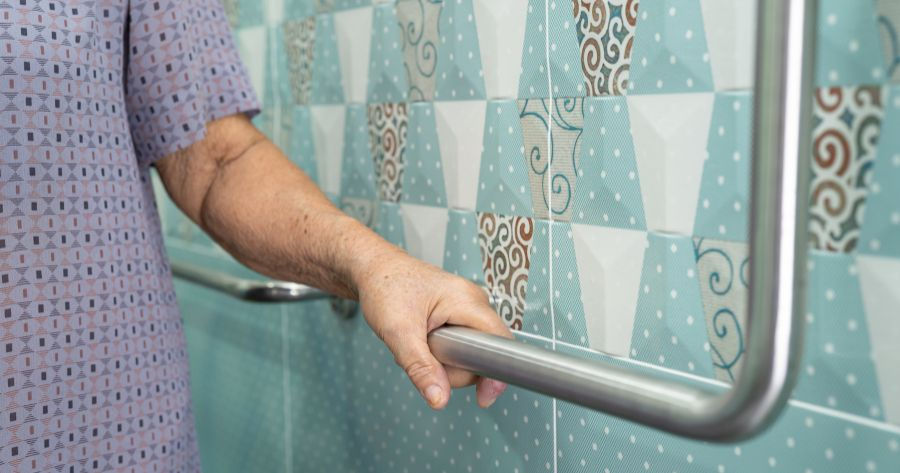
Structural changes like ramps, bathroom modifications (such as grab rails), and widened doorways.
Managing body functions:
Products for administering medicines or absorbing products to manage incontinence.
How Assistive Technology Helps People Live Independently
The right assistive technology for independence can transform your daily experience by supporting you in several key areas:
Safety and Posture:
Specialised seating, cushions, or lifting aids can help you sit comfortably and stand up safely, reducing the risk of injury.
Confidence and Dignity:
Tools for showering, dressing, and grooming allow you to manage your self-care needs privately.
Reducing Physical Effort:
Ergonomic kitchen tools and non-slip mats make preparing and eating meals less physically demanding.
Supporting Communication:
Sensory tools and AAC devices ensure you can stay informed and interact effectively with others.
Enabling Participation:
Mobility aids and adaptive recreational gear empower you to enjoy the activities you love and get where you need to go.
How AT Is Funded
In Australia, there are several government pathways available to help cover the costs of the equipment and home modifications you need.
National Disability Insurance Scheme (NDIS)
For people living with a permanent and significant disability, the NDIS is a primary source of funding. If AT is deemed a "reasonable and necessary" support to help you achieve your goals, it can be included as part of your NDIS plan.
My Aged Care
Older Australians can access funding for AT through various programs managed by My Aged Care. These include Assistive Technology and Home Modifications (AT-HM) scheme, Commonwealth Home Support Program (CHSP) and Support at Home Program.
To access these supports through My Aged Care, you will first need to undergo an assessment to determine your eligibility and specific needs
The Role of Professional Documentation
Regardless of the funding pathway, you will often need professional documentation, such as an assessment report from an Occupational Therapist to support your application. This ensures that the technology is appropriate for your needs and provides the clinical evidence required by funding bodies like the NDIS or My Aged Care.
How to Know If You Need Assistive Technology
You might benefit from AT if you notice common signs in your daily routine, such as finding it harder to walk long distances, struggling to grip small items, or having difficulty getting in and out of chairs.
Seeking an assessment is crucial. Research shows that approximately 30% of AT is abandoned within the first year when the wrong item is chosen or when there isn't enough support provided. Professional guidance ensures the technology fits your specific goals, your environment, and your lifestyle.
How LifeTec Supports You With AT
LifeTec acts as your partner in navigating the world of AT. Our qualified health professionals, such as Occupational Therapists, work with you to find solutions that improve your independence and safety. Our services include:
AT Assessments:
Evaluating your unique needs and environment.
Trials:
Giving you the opportunity to test different options before committing to a solution.
Expert Recommendations:
Finding the specific tools that will work best for your daily life.
Reports for NDIS / My Aged Care:
Providing the necessary clinical documentation to help you access funding through the NDIS or My Aged Care pathways.
Assistive technology isn’t just equipment, it’s about supporting your goals, your independence and the way you want to live. With the right guidance, AT can make everyday life safer, easier and more enjoyable.
Get Started With Assistive Technology
Ready to explore how AT can support your independence? Whether you are a participant, carer, or health professional, LifeTec is here to help you find the right fit.
Make a Referral
to begin your assessment journey.
Explore Our Services
to see how we support people with disability and older Australians.
Contact us
today at 1300 LIFETEC (1300 543 383) or email mail@lifetec.org.au.
Resources: